Construction waste as a resource: The issue of landfilling construction and demolition waste
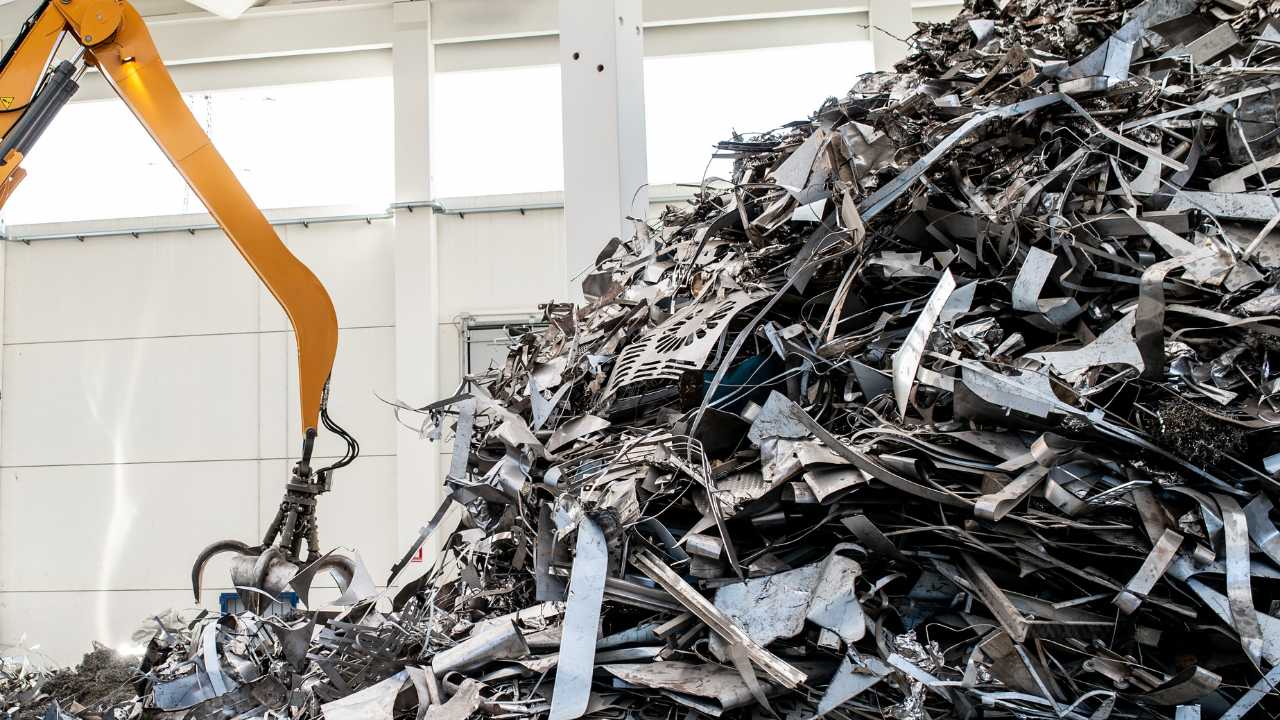
There is a huge amount of it, it has great potential for recycling, and you can find it in the waste catalog under number 17. This refers to construction and demolition waste (CDW). Construction and demolition waste includes not only bricks, masonry, and soil but also cables, pipes, mineral wool, plasterboard, or furniture and other interior fittings. Simply put, all waste that arises during construction, renovation, or demolition.

Cyrkl Consulting
08/04/2024 8:18 AM
Why address construction waste?
CDW (construction and demolition waste) is the largest group of waste in terms of production. In 2022, nearly 24 million tons of construction and demolition waste were produced in the Czech Republic. Of the total 39.2 million tons of waste, 60.9% were mineral wastes - i.e., construction and demolition wastes, soil, or combustion residues.
In Slovakia, 4.6 million tons of construction and demolition waste were produced in 2022, which is over 43% of all waste. Although only 3.8% of this waste demonstrably ended up in landfills, up to 26% according to statistics end up in unknown locations (category "other handling").
Since 2022, Slovakia has had an obligation for every builder to ensure that at least 70% of construction or demolition waste is recovered for buildings with a built-up area of over 300 m2. The builder should also start the demolition with a pre-demolition audit and confirm its results with a subsequent audit of the actual state of demolition waste management to maintain some level of oversight over where this waste ends up. However, these obligations have not been consistently met and controlled even after 2 years.
What challenges does selective demolition and CDW recycling bring?
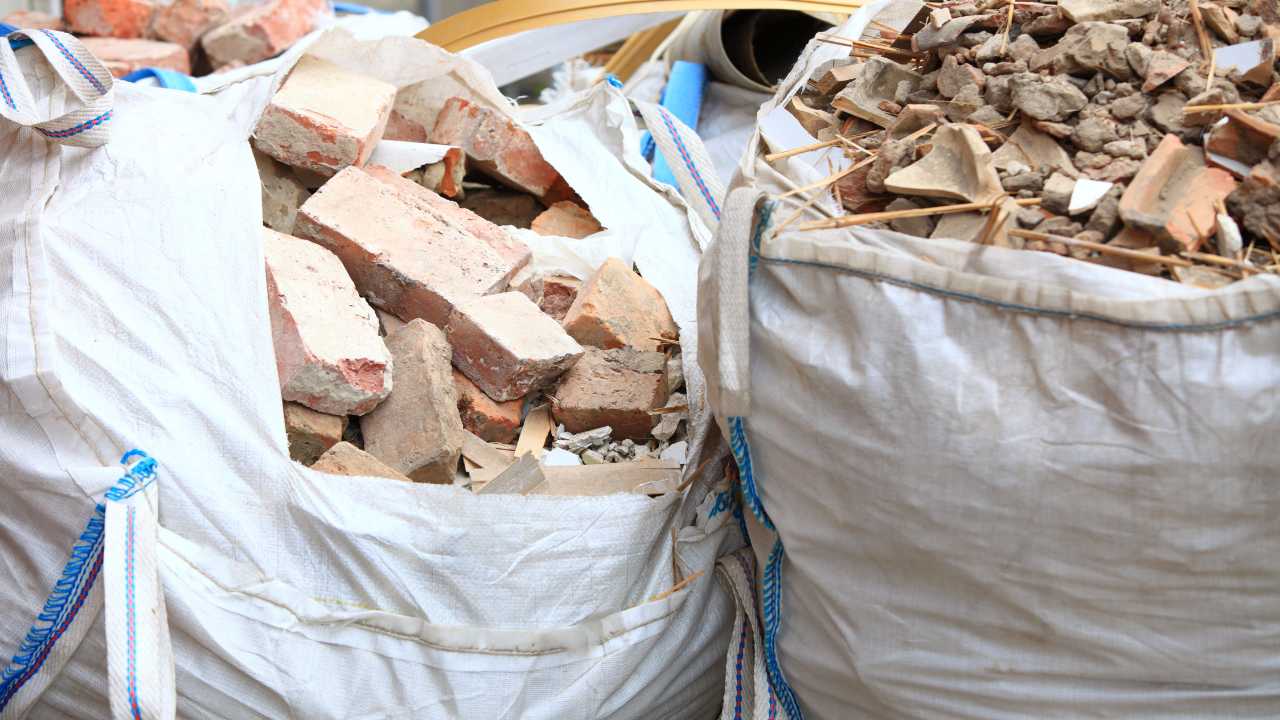
Selective demolition is the path to the largest and most efficient recycling possible. In selective demolition, the building is dismantled piece by piece, with the goal of reusing as much waste material as possible. This mainly applies to the interior fittings of buildings, but also some construction materials - e.g., floor coverings, glass partitions separating interiors, lighting, mineral ceilings, but in some cases also bricks, windows, etc.
Where reuse is not possible, we aim to find recycling partners for waste materials - typically for metals, various types of plastics, other mineral ceilings and plasterboard, flat glass, cables, and others. If it is not possible to utilize waste streams materially, we strive for their energy recovery.
In the conditions of the Czech Republic, this is complicated for construction waste, and most facilities for energy recovery of waste do not accept anything other than municipal waste due to full capacity. The remaining wastes, for which all options have been exhausted, are placed in landfills.
What precedes selective demolition?
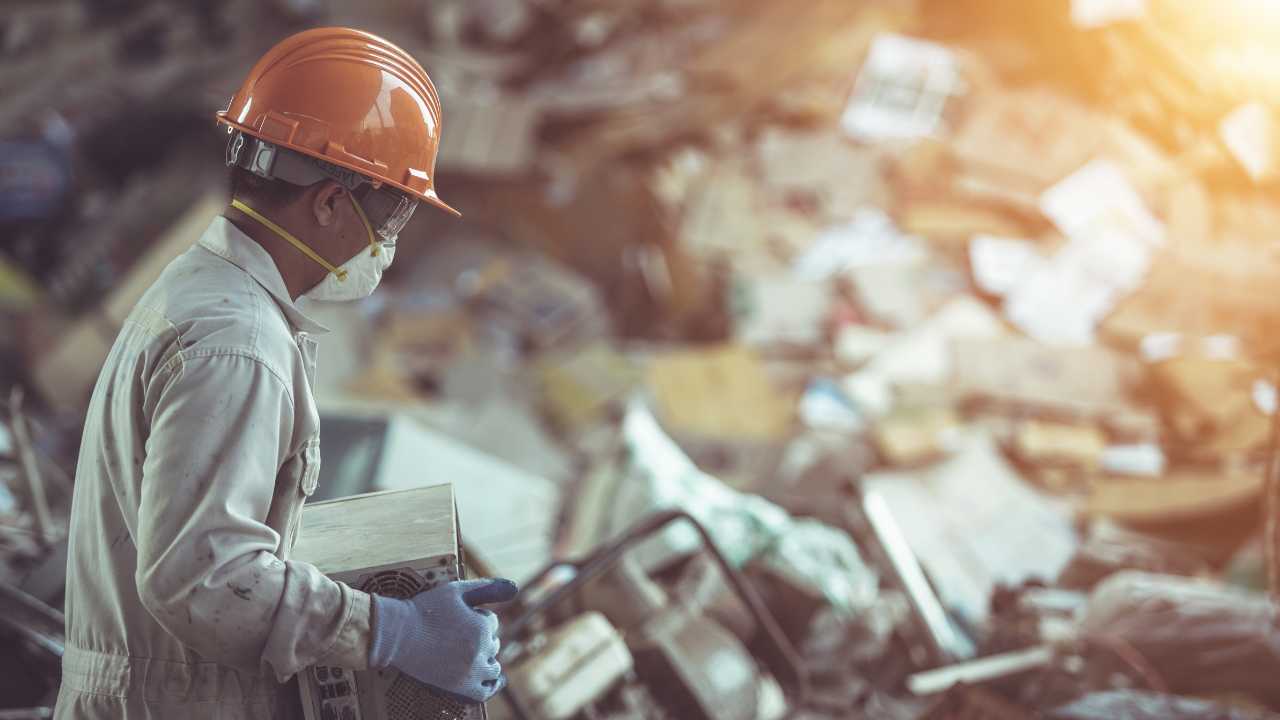
High-quality preparation is key before every selective demolition. First, the quantity of waste streams that will be generated on the site must be mapped in detail (based on the actual condition). This is done through the so-called Pre-demolition audit (building passportization). Pre-demolition audits are a very functional tool for selective demolition and have a total of 3 steps:
- The first is preparatory activity,
- the second involves gathering information on the properties and quantity of construction and demolition waste that will be released during demolition or reconstruction work,
- and in the third step, general and specific recommendations are provided regarding the demolition process.
After mapping the actual condition, it is necessary to invite all potential partners and recyclers for an inspection of the actual condition in the building so that they can inform the builder of all their requirements regarding the form and method of logistics of waste material. This step is essential because a wrong form can mean the impossibility of further utilization and recycling of these materials.
At Cyrkl Consulting, we can help you with pre-demolition audits and subsequently finding a processor or recycler.
Are you interested in learning how your company can save on waste management and achieve its environmental goals?
Schedule a free consultation with our experts.